
Recognizing when to remove your car vinyl wrap is crucial for keeping your vehicle looking sharp. A worn or damaged wrap can hurt your car's appearance. If you delay auto wrap removal, you risk discoloration and potential damage to the original paint.
Fading Colors
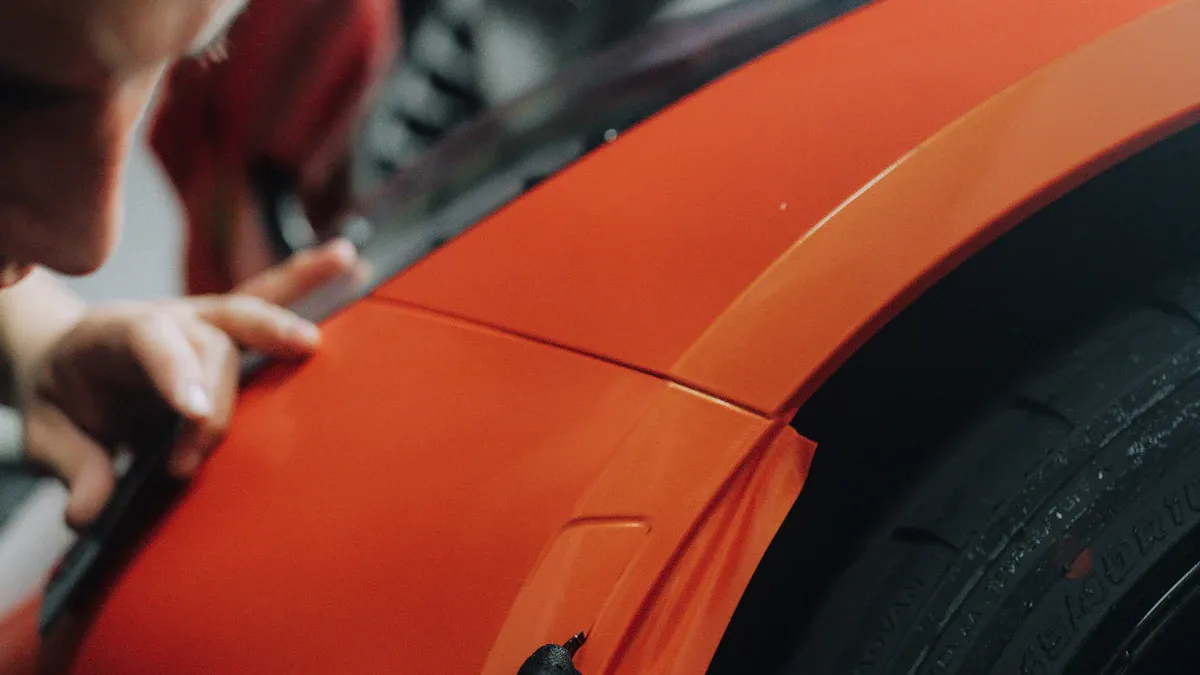
Fading colors can be one of the most noticeable signs that your vinyl wrap needs attention. Over time, exposure to sunlight and environmental factors can dull the vibrant hues that once made your vehicle stand out.
Aesthetic Impact
When you first applied your vinyl wrap, it likely turned heads with its stunning color and finish. However, as the colors fade, your car may start to look worn and unkempt. Here are some visual cues that indicate fading:
- The vibrant colors of the wrap have started to dull.
- High-exposure areas, like the hood and roof, show significant discoloration.
- Fine cracks resembling spider webs appear in the laminate.
These signs not only affect your vehicle's appearance but can also impact how others perceive it. A faded wrap can send the message that you don’t take care of your vehicle, which might deter potential buyers or customers if you use your car for business.
According to industry studies, prolonged exposure to UV rays is a significant factor in fading, especially for darker shades. If you live in areas with high UV exposure, like Houston or Los Angeles, you might notice fading even sooner. To combat this, manufacturers recommend using UV-resistant overlaminates and parking in shaded or indoor areas whenever possible.
Damage Risk
Fading colors can lead to more than just aesthetic issues; they can also pose risks to your vehicle's underlying paint. If you leave a faded wrap on for too long, it may fuse with the paint, complicating the auto wrap removal process. This can result in damage to the clear coat or even the paint itself during removal.
Additionally, if the wrap has started to peel or bubble, it can trap moisture underneath. This moisture can lead to paint deterioration, which is something you definitely want to avoid.
To maintain your vehicle's value and appearance, consider replacing or repairing sections of your wrap that show signs of fading. Remember, a well-maintained wrap not only looks better but also helps preserve the integrity of your car's paint.
Damage Signs
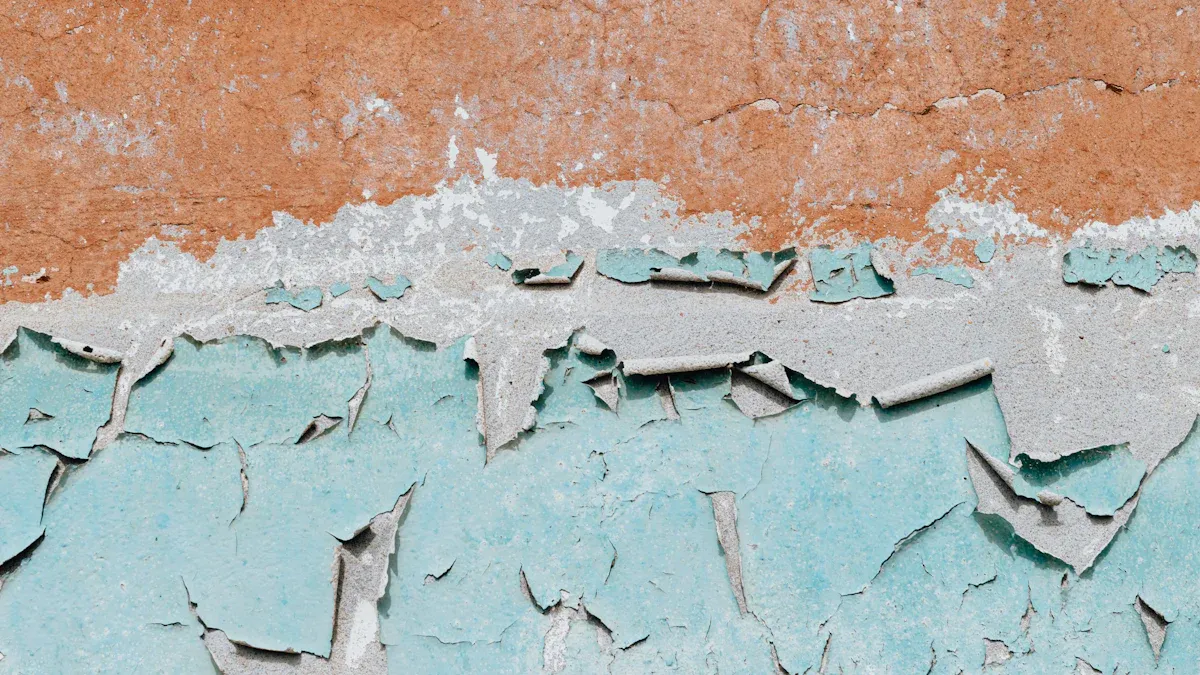
When it comes to vinyl wraps, damage signs can be a clear indication that it's time for a change. You might notice scratches, scuffs, or issues with the adhesive. Recognizing these signs early can save you from more extensive repairs down the road.
Scratches and Scuffs
Scratches and scuffs are common issues that can arise from everyday wear and tear. If you notice these marks on your vinyl wrap, don’t ignore them! Here’s why:
- Worsening Condition: If you leave scratches unattended, they can worsen over time. What starts as a minor blemish can deepen, leading to more significant damage that may require extensive repairs or even a full replacement.
- Chemical Damage: Using harsh chemicals to clean these marks can further damage the vinyl. Instead, opt for gentle cleaning solutions specifically designed for vinyl wraps.
You might also see other signs of damage, such as:
- Oxidation: This appears as a dull, chalky finish due to UV exposure.
- Rain Spots and Water Stains: Hard water deposits can leave unsightly white mineral spots.
- Shellac or Sap Buildup: Sticky patches from tree sap or wax can attract dirt and grime.
- Corrosion or Embedded Dirt: Peeling edges can trap moisture and dirt, leading to deeper damage.
Addressing these issues promptly can help maintain the wrap's appearance and protect your vehicle's paint underneath.
Adhesive Issues
Adhesive problems can signal that your vinyl wrap needs to go. If you notice bubbling, peeling, or lifting, it’s time to take action. Here are some common causes of adhesive failure:
- Inadequate Surface Preparation: If the surface wasn’t properly cleaned before installation, dirt or moisture can interfere with the adhesive bond.
- Ignoring Damage Repair: Existing scratches or rust can exacerbate adhesion issues, trapping moisture and accelerating corrosion.
- Incorrect Installation Techniques: If the wrap wasn’t applied correctly, it might not adhere well, leading to peeling.
- Not Letting the Vinyl Cure: Rushing the installation process can prevent the adhesive from setting properly.
- Early Exposure to Detrimental Environments: If your vehicle faced harsh conditions soon after installation, it could compromise the wrap's integrity.
If you notice any of these adhesive issues, consider auto wrap removal sooner rather than later. Leaving a damaged wrap on can lead to further complications, including damage to your vehicle's original paint.
By keeping an eye out for scratches, scuffs, and adhesive problems, you can ensure your vinyl wrap remains in top condition. Regular maintenance and timely removal can help preserve your vehicle's value and appearance.
Auto Wrap Removal Timing
Knowing when to remove your vinyl wrap is essential for maintaining your vehicle's appearance and protecting its paint. Generally speaking, vehicle wraps can last from 3 to 5 years, but with good maintenance, you might extend that by an additional 2 years or more. If you want your car wrap to last longer on your vehicle, you can choose Ravoony Paint Protection Film to protect it, which can last for ten years.
FAQ
What is the average lifespan of a vinyl wrap?
Vinyl wraps typically last between 3 to 7 years, depending on care and environmental factors.
How can I maintain my vinyl wrap?
Regularly wash your wrap with gentle soap and water. Avoid harsh chemicals to keep it looking fresh.
Can I apply a new wrap over an old one?
It's best to remove the old wrap first. This ensures better adhesion and prevents damage to the underlying paint.

0 Comments