
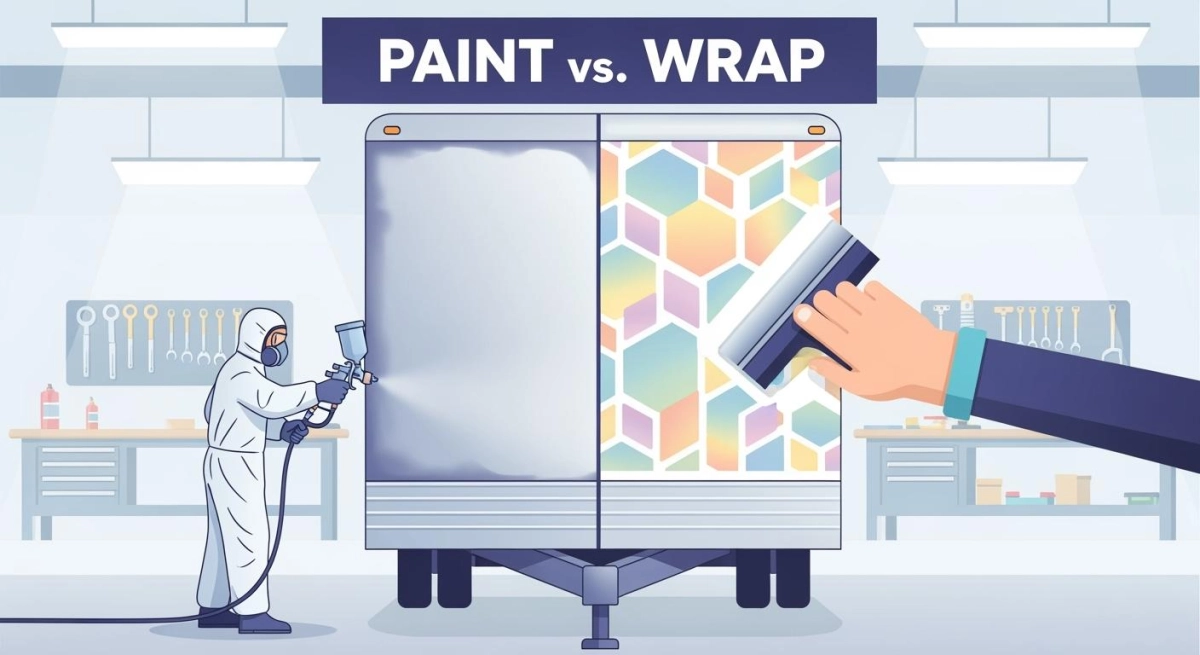
A high-quality car vinyl wrap is often the superior choice for your travel trailer. These camper trailer wraps provide unmatched customization and protect your original finish. The industry's rapid growth highlights this trend.
Key Takeaways
- Vinyl wraps offer great customization and protect your trailer's original paint. They are often cheaper for custom designs.
- Wraps install faster than paint jobs. They also help keep your trailer's resale value high because they protect the original finish.
- Paint is better for trailers with major damage. It also works well if you want a simple, long-lasting color change.
Direct Comparison: Wrap vs. Paint
You want to give your trailer a fresh look, but which path should you take? Let's break down the key differences between a vinyl wrap and a new paint job to help you decide.
Cost: Which is More Affordable?
Your budget is a major factor in this decision. A simple, single-color paint job can be more affordable than a complex wrap. However, vinyl becomes the more cost-effective option when you desire custom graphics or intricate designs.
A professional paint job often carries a higher price tag, especially for larger trailers.
- A standard-sized travel trailer paint job can range from $5,000 to $8,000.
- Larger fifth-wheelers can cost around $10,000 for a standard paint job.
In contrast, the cost of a vinyl wrap depends heavily on the trailer's size and the complexity of your design.
- A medium trailer (6ft x 12ft) wrap costs an estimated $1,500 – $2,000.
- A large trailer (8ft x 24ft) wrap costs an estimated $3,000 – $5,000+.
💡 Tip: For complex, multi-color graphics, a wrap is almost always more affordable than a custom airbrushed paint job.
Durability & Protection: Which Lasts Longer?
Both options offer good durability, but they protect your trailer in different ways. A high-quality paint job can last for years. Polyurethane-based paints may offer protection for at least five years, while other quality paints might need a new coat after two to three years.
A professionally installed, high-quality vinyl wrap typically lasts between 5 and 7 years with proper care. Some may show wear after 3-4 years, especially in harsh climates.
The biggest difference is protection. A vinyl wrap acts as a sacrificial shield for your trailer's original finish. It creates a barrier that guards the factory paint against:
- ☀️ Fading from UV exposure
- 🪨 Scratches and chips from road debris
- 🧂 Chemical pollutants like winter salt
If a section of the wrap gets damaged, you can often replace just that panel. This is much cheaper and faster than repainting an entire damaged section of your trailer.
Customization with Camper Trailer Wraps
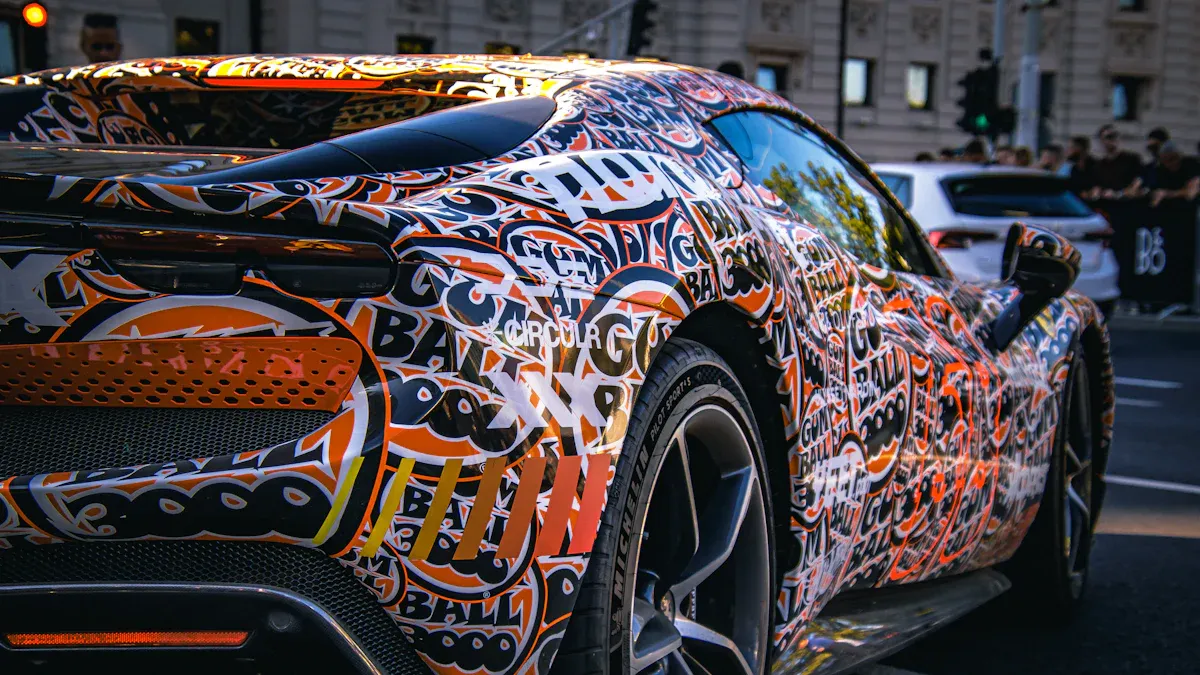
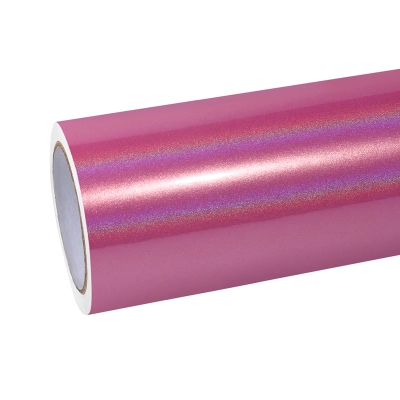
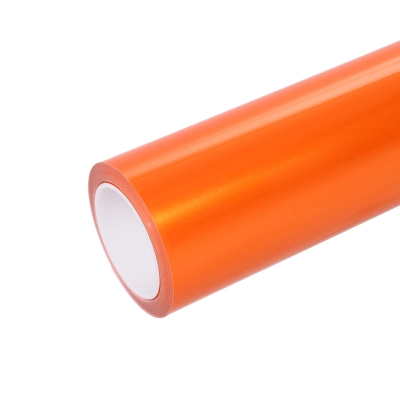
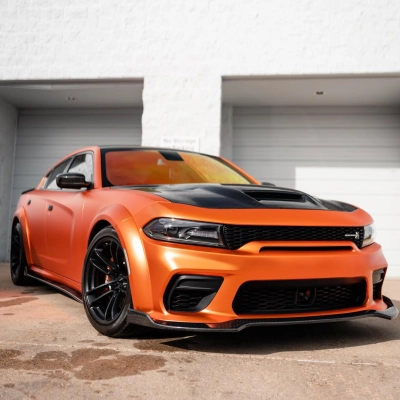
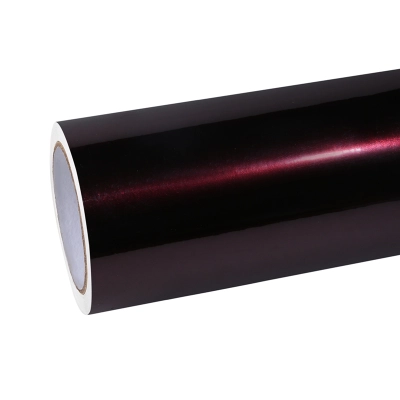
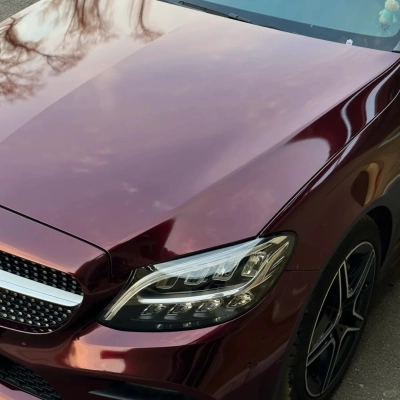
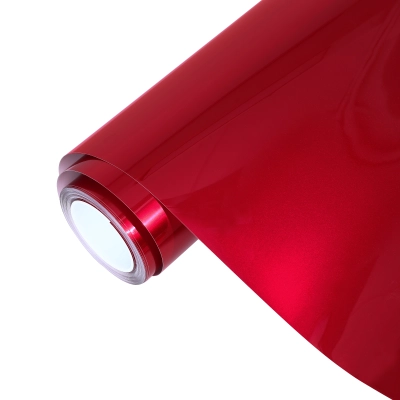
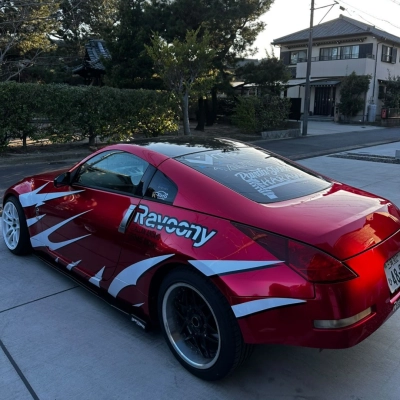
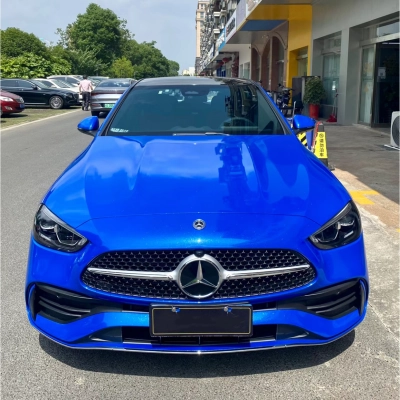
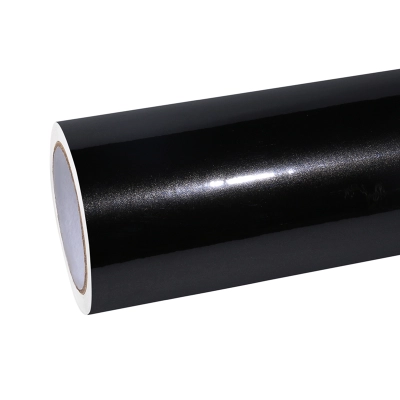
This is where vinyl truly shines. Paint limits you to solid colors unless you invest in a very expensive and permanent custom airbrushing service. With camper trailer wraps, your creative options are nearly limitless. You can print any high-resolution image or pattern directly onto the vinyl. If you want a car wrap that's different from everyone else's, you can choose Ravoony custom wraps. Like Ravoony Marlboro Car Wrap, It must be very attractive.
You can also choose from a huge variety of specialty finishes that are difficult or impossible to achieve with paint.
- Matte & Satin: These offer sophisticated, non-reflective finishes.
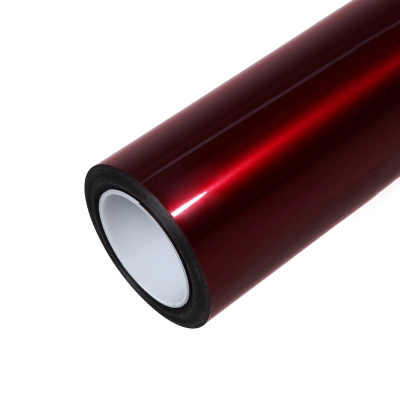
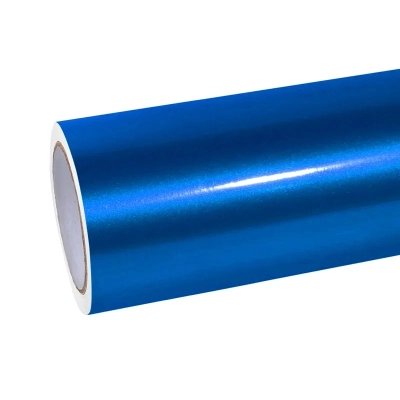
- Chrome & Metallic: You can get a mirror-like chrome or a shimmering metallic look.
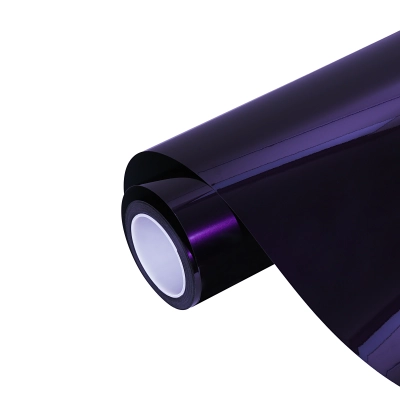
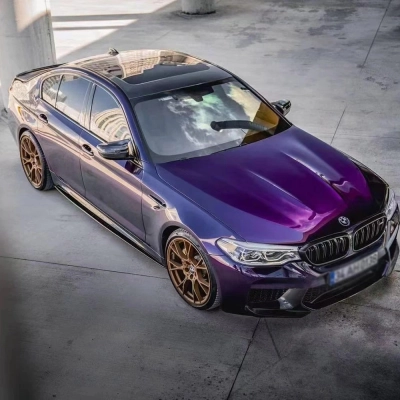
- Color-Shift: This amazing finish changes color depending on the light and viewing angle.
- Textured Finishes: You can mimic materials like brushed metal or carbon fiber for a unique, high-end appearance.
From rugged topography designs to abstract geometric shapes, camper trailer wraps let you express your personality in ways paint simply cannot match.
Installation & Downtime: Which is Faster?
You want to get back on the road quickly. A vinyl wrap installation is significantly faster than a full paint job.
A professional vinyl wrap installation on a travel trailer typically takes 3-5 days to complete. This follows the initial design and printing phases.
Painting is a much more involved and lengthy process. It requires extensive prep work, multiple coats, and long curing times.
- Preparation: The trailer surface must be sanded, cleaned, and primed. This step alone can be very time-consuming.
- Painting: Each coat of paint needs time to dry before the next can be applied.
- Curing: While the paint may be dry to the touch in an hour, it takes much longer to fully harden. The finish needs 30 to 90 days to completely cure, during which it is vulnerable to damage.
Your trailer will be out of commission for a much shorter period with a wrap.
Resale Value: How Does Each Affect Worth?
How you customize your trailer can impact its value when it's time to sell. A high-quality, well-maintained vinyl wrap generally helps preserve or even increase resale value. Because it protects the original paint, the finish underneath remains in pristine, showroom condition.
You can remove the wrap before selling, revealing the flawless factory paint. This flexibility appeals to a wide range of buyers. However, a poorly maintained or peeling wrap will hurt its value.
A custom paint job is a permanent change. While you may love a bright, unique color scheme, it can narrow your market of potential buyers.
- Most buyers prefer factory-standard colors.
- A highly personalized paint job may cause your trailer to sit on the market longer or require a price reduction to sell.
- Timeless designs and high-quality work are more attractive than trendy patterns that can quickly look dated.
For preserving future value, the reversibility of camper trailer wraps gives them a clear advantage.
When is Painting the Better Choice?
While wraps offer incredible versatility, painting remains the superior option in several key situations. If your trailer has significant wear or you have a specific long-term vision, a fresh coat of paint might be the right call.
Dealing with Major Surface Damage
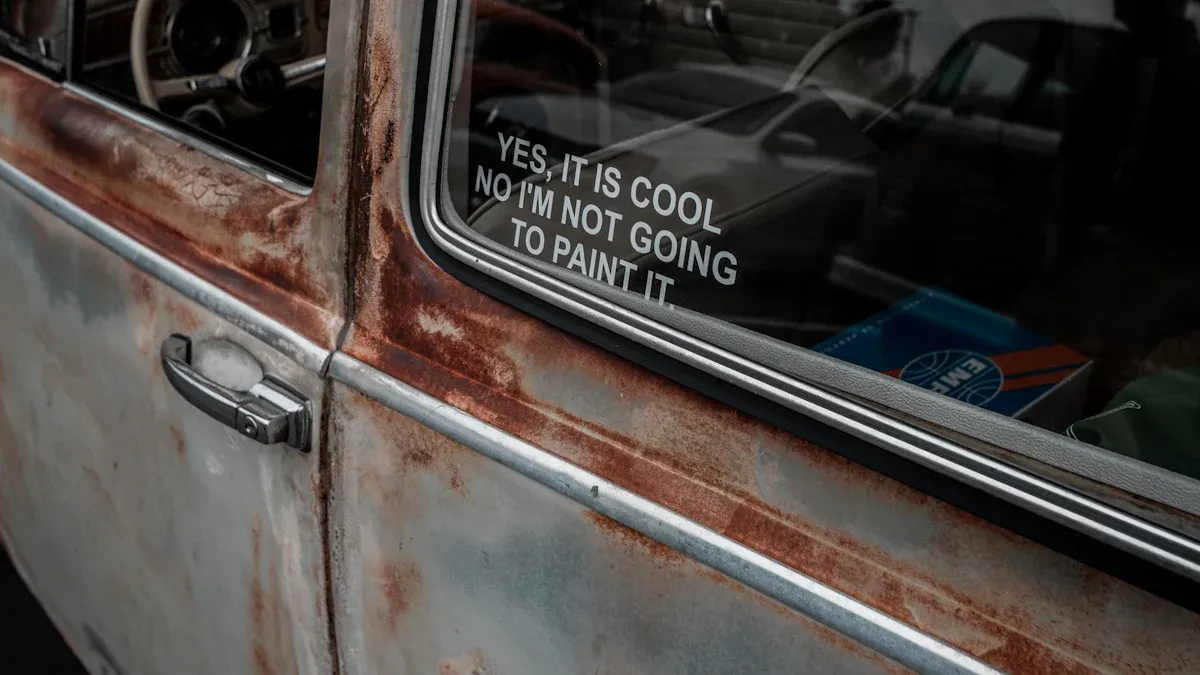
You cannot apply vinyl over deep rust, peeling paint, or delamination. A wrap needs a smooth, stable surface to adhere properly. It will not stick to damaged areas, and any underlying corrosion will continue to spread, eventually causing the wrap to fail.
Painting forces you to address these core issues. The process requires you to properly sand, fill, and prime the surface before applying color. While this bodywork can be expensive, it is essential for restoring the integrity of your trailer.
For a Simple, Permanent Color Change
If you want a classic, single-color look that lasts, paint holds a distinct advantage. A professionally applied paint job can easily last 10 years or more, offering superior longevity. This makes it a cost-effective choice for a durable, long-term finish. Remember, this is a permanent decision. Repainting a trailer is an intensive, multi-step process, so you should be confident in your color choice.
When a DIY Approach is Preferred
If you plan to tackle the project yourself, painting can be a more manageable task. Achieving a flawless finish with large camper trailer wraps is extremely difficult for beginners. You often face issues like bubbling, lifting edges, and overstretching the vinyl. While DIY painting has its own challenges, the skills involved—sanding, priming, and spraying—are often more familiar. With careful preparation and by applying multiple thin coats, you can achieve a professional-looking result on your own.
For most owners, camper trailer wraps are the clear winner, offering flexibility and protection. Painting remains a great choice for trailers with heavy damage or for a simple, permanent finish. Ultimately, you must weigh the cost, your desired look, and your trailer's condition to make the best decision.
FAQ
How do you clean a wrapped trailer?
You should hand wash your wrapped trailer with a gentle soap. This simple care protects the vinyl.
- Avoid pressure washers.
- Do not use abrasive brushes or harsh chemicals.
Can you remove a vinyl wrap yourself?
Yes, you can remove a wrap. You will need a heat gun to soften the adhesive. Work slowly and pull the vinyl at a low angle for the best results.

0 Comments